
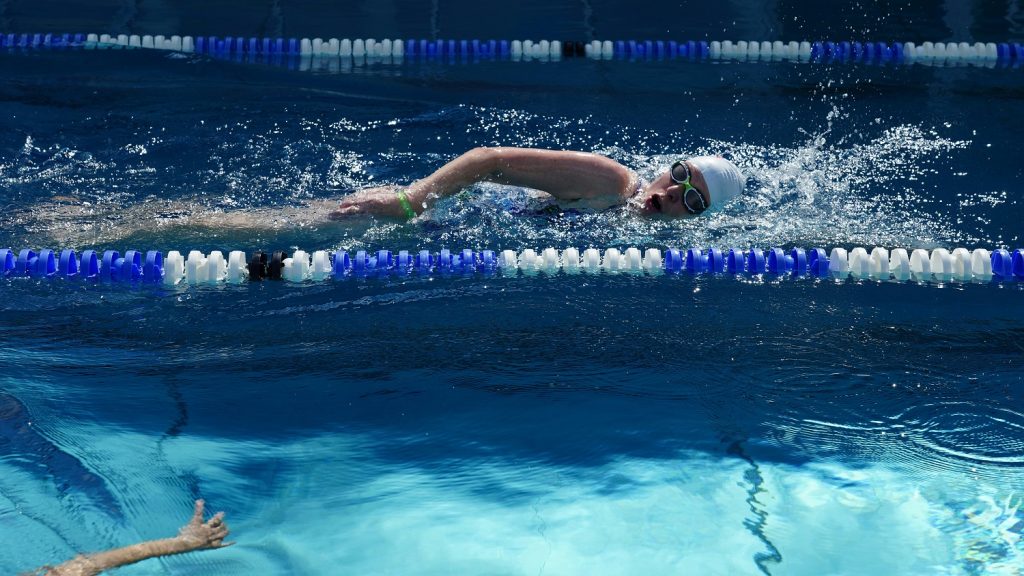
For many triathletes, the swim is the most intimidating part of race day. Unlike cycling or running, swimming is highly technical. Small changes in body position, breathing, or stroke mechanics can make a huge difference in speed and efficiency. Because of that, many athletes assume they need in-person swim lessons to improve.
The truth?
Virtual swim coaching has become one of the most effective ways for triathletes to improve their swim technique, no matter where they live.
Through video analysis, personalized feedback, and structured drills, online swim coaching allows athletes to make significant improvements while training in their local pool.
Whether you’re training for your first sprint triathlon or preparing for an Ironman, here’s exactly how virtual swim coaching works and why it can be just as effective as traditional in-person coaching.
What Is Virtual Swim Coaching?
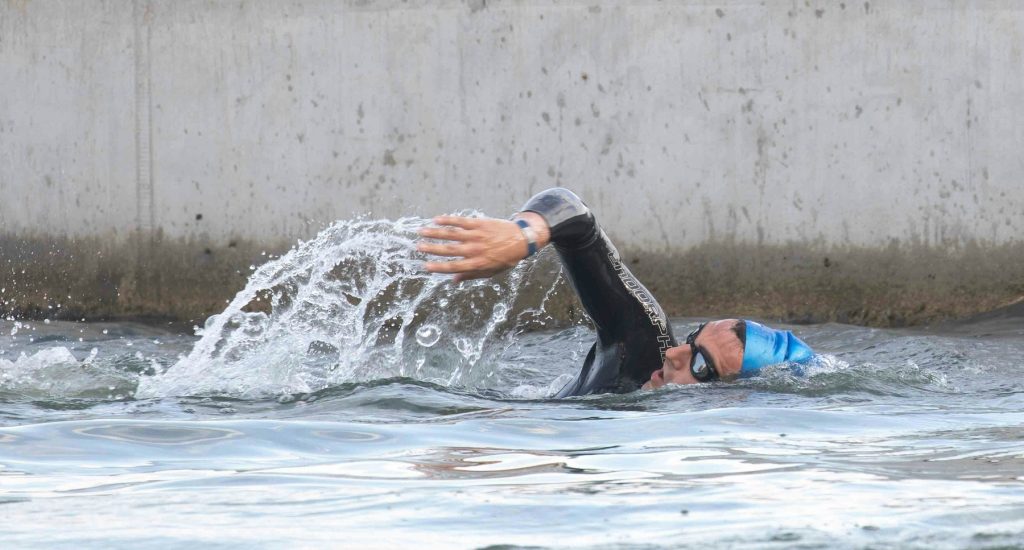
Virtual swim coaching is personalized swim instruction delivered remotely.
Instead of standing on the pool deck, your coach analyzes videos of your swimming, identifies opportunities for improvement, and provides detailed feedback along with specific drills and workouts to help you make those changes.
Virtual swim coaching focuses on helping triathletes become:
- More efficient in the water
- More confident swimmers
- Less fatigued exiting the swim
- Better prepared for open-water racing
The goal isn’t just to swim faster. It’s to use less energy so you can bike and run stronger afterward.
How Video Analysis Works
The foundation of virtual swim coaching is video analysis. Rather than guessing what needs improvement, your coach can actually see your stroke and identify exactly where you’re losing efficiency.
Typically, athletes submit short videos from several angles, including:
- Side view
- Front view
- Rear view
- Above-water swimming
- Underwater footage (if available)
Don’t worry if your pool doesn’t allow underwater filming. Many technique improvements can be identified from above-water video alone.
Once your videos are submitted, your coach reviews them frame by frame, looking at important elements such as:
- Body position
- Head alignment
- Rotation
- Catch mechanics
- Pull pattern
- Kick timing
- Breathing technique
- Stroke symmetry
- Stroke rate
Instead of generic advice, you’ll receive personalized feedback based on your own stroke.
What You’ll Receive After Video Analysis
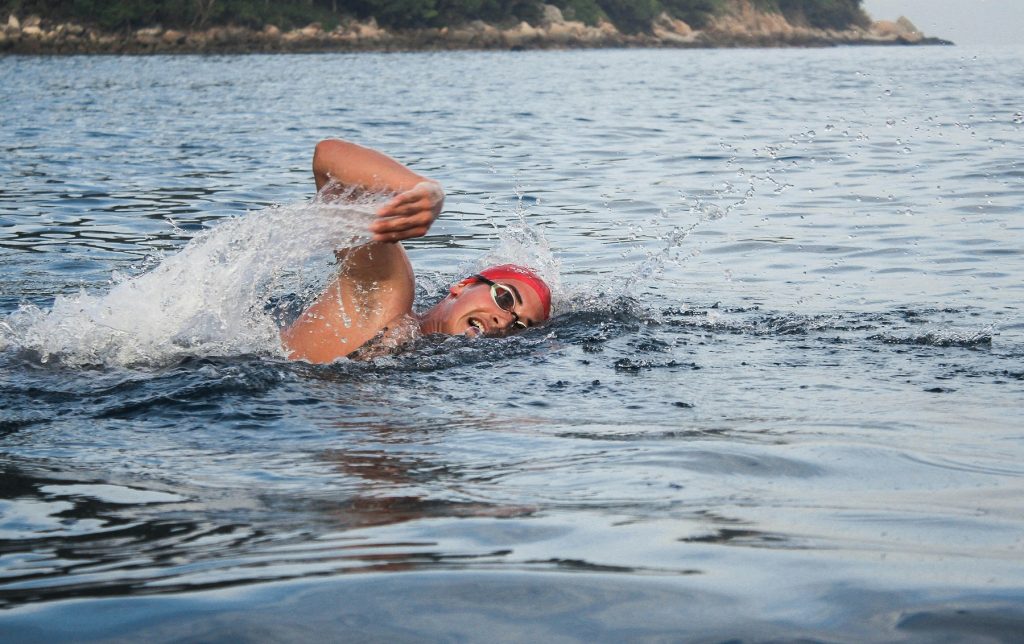
A quality virtual swim coach does much more than point out mistakes. You’ll typically receive:
A Detailed Video Review
Your coach explains:
- What you’re doing well
- What needs improvement
- Why it matters
- How it affects speed and efficiency
Many coaches use slow-motion playback, drawing tools, and voice-over explanations to make the feedback easy to understand.
Prioritized Technique Improvements
Trying to fix everything at once rarely works. Instead, coaches prioritize one or two key improvements that will have the biggest impact on your swimming. This keeps learning manageable and helps changes stick.
Personalized Swim Drills
Every recommendation includes drills designed to reinforce the specific movement pattern you’re working on.
For example, if your catch is slipping, your coach may assign drills that improve:
- Early vertical forearm
- Feel for the water
- Front-end engagement
If body position is the issue, your drills may focus on:
- Core stability
- Balance
- Streamline
- Rotation
Each drill has a purpose, not just extra yardage.
How Swim Workouts Fit Into Virtual Coaching

Technique is only part of becoming a better swimmer. Virtual swim coaching also includes structured workouts that help you apply your new skills under fatigue.
Your workouts may include:
- Technique-focused warm-ups
- Drill progressions
- Aerobic endurance sets
- Threshold intervals
- Race-pace work
- Open-water preparation
- Recovery swims
As your technique improves, your workouts evolve with you. The result is better mechanics that become automatic during racing.
Why Virtual Swim Coaching Works So Well


Many triathletes are surprised by how effective online swim coaching can be. There are several reasons.
You Can Rewatch the Feedback
Unlike a conversation on the pool deck, recorded video feedback can be watched repeatedly. Athletes often review the same analysis before multiple swim sessions. This reinforces learning and makes improvements happen faster.
You Learn at Your Own Pace
Rather than trying to remember everything immediately after practice, virtual coaching allows you to:
- Review drills
- Watch demonstrations
- Revisit coach comments
- Focus on one skill at a time
Learning becomes much less overwhelming.
You Get Objective Feedback
Swimming often feels different than it looks. Many athletes believe they’re doing one thing while video clearly shows something else. Video removes the guesswork. Instead of relying on feel alone, you can actually see what’s happening.
Coaching Fits Your Schedule
One of the biggest advantages of virtual swim coaching is flexibility.
You’re not tied to:
- Specific lesson times
- Pool schedules
- Coach availability
You swim when it works for your schedule and submit videos as requested. This makes virtual coaching especially valuable for busy professionals, parents, and athletes training around unpredictable schedules.
What Athletes Can Expect


Every athlete progresses at a different rate, but most improvements follow a similar pattern.
Early Weeks
Athletes become more aware of their movement patterns. Technique may initially feel awkward as new habits develop.
One to Two Months
Efficiency begins improving.
Many athletes notice:
- Lower perceived effort
- Better body position
- Smoother breathing
- Improved confidence
Several Months
Stroke mechanics become more automatic.
Swimmers often experience:
- Faster pace at the same effort
- Lower heart rate
- Better endurance
- More confidence in open water
The biggest gains usually come from consistency, not dramatic changes overnight.
Is Virtual Swim Coaching as Effective as In-Person Coaching?

For many triathletes, yes. In fact, virtual coaching offers several unique advantages.
Because athletes review their feedback multiple times, they often develop a deeper understanding of their technique than they would from a brief conversation during an in-person lesson.
Virtual coaching also allows for:
- Ongoing progress tracking
- Video comparisons over time
- More thoughtful analysis
- Continued support between swim sessions
While beginner swimmers who are uncomfortable in the water may benefit from some in-person instruction initially, most triathletes can make significant improvements through virtual coaching.
Especially when they consistently practice the prescribed drills.
Who Benefits Most from Virtual Swim Coaching?
Virtual swim coaching is ideal for:
- Beginner triathletes
- Intermediate swimmers trying to break through plateaus
- Ironman athletes looking to improve efficiency
- 70.3 athletes wanting to save energy for the bike and run
- Busy athletes with limited access to local swim coaches
- Athletes living in rural communities
- Swimmers preparing for open-water races
If you have access to a pool and someone who can record a few short videos, you have everything you need to get started.
The Goal Isn’t Just Swimming Faster
Most triathletes focus on improving their swim split. But that’s only part of the picture.
A more efficient swim means:
- Lower heart rate exiting the water
- More energy on the bike
- Better fueling early in the race
- Stronger run performance
- Greater confidence throughout race day
Swimming well isn’t just about the first leg of the race. It’s about setting up everything that comes after.
Final Takeaway
Virtual swim coaching isn’t simply a replacement for in-person lessons. For many triathletes, it’s a smarter, more flexible way to improve.
Through personalized video analysis, structured drills, and ongoing feedback, athletes can build better technique, become more efficient, and gain confidence in the water, all without needing a triathlon swim coach standing on the pool deck.
The biggest improvements don’t come from swimming more. They come from swimming better. Whether you’re training for your first sprint triathlon or your next Ironman, investing in your swim technique can pay dividends throughout your entire race.


Carly Guggemos
Co-founder of Organic Coaching, Carly Guggemos is a triathlon coach with an extensive background in 70.3 and full-Ironman events. Carly is an age group winner at both long-course distances and has competed at the Kona Ironman World Championships in 2014 and 2015. With nearly a decade of coaching experience, Carly has expertise supporting athletes with busy or non-traditional schedules.